A Cave of Mystery. We were almost as surprised on 10/16/11 to discover this huge cavern -- beneath much of the Old City-- as Sir James Barclay must have been in 1854. It has been the subject of many historical legends & speculations.


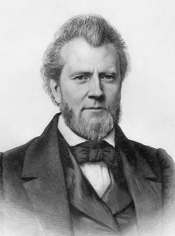
Sulieman & Barclay: One legend is that the builder of the Old City walls & gates (Turkish sultan, Sulieman the Magnificent) had the cave opening blocked -- out of fear that an enemy may tunnel into the city & conquer Jerusalem. It was still sealed & unknown 300 years later, when Barclay's dog literally stumbled into it during a walk with James Barclay & his son.





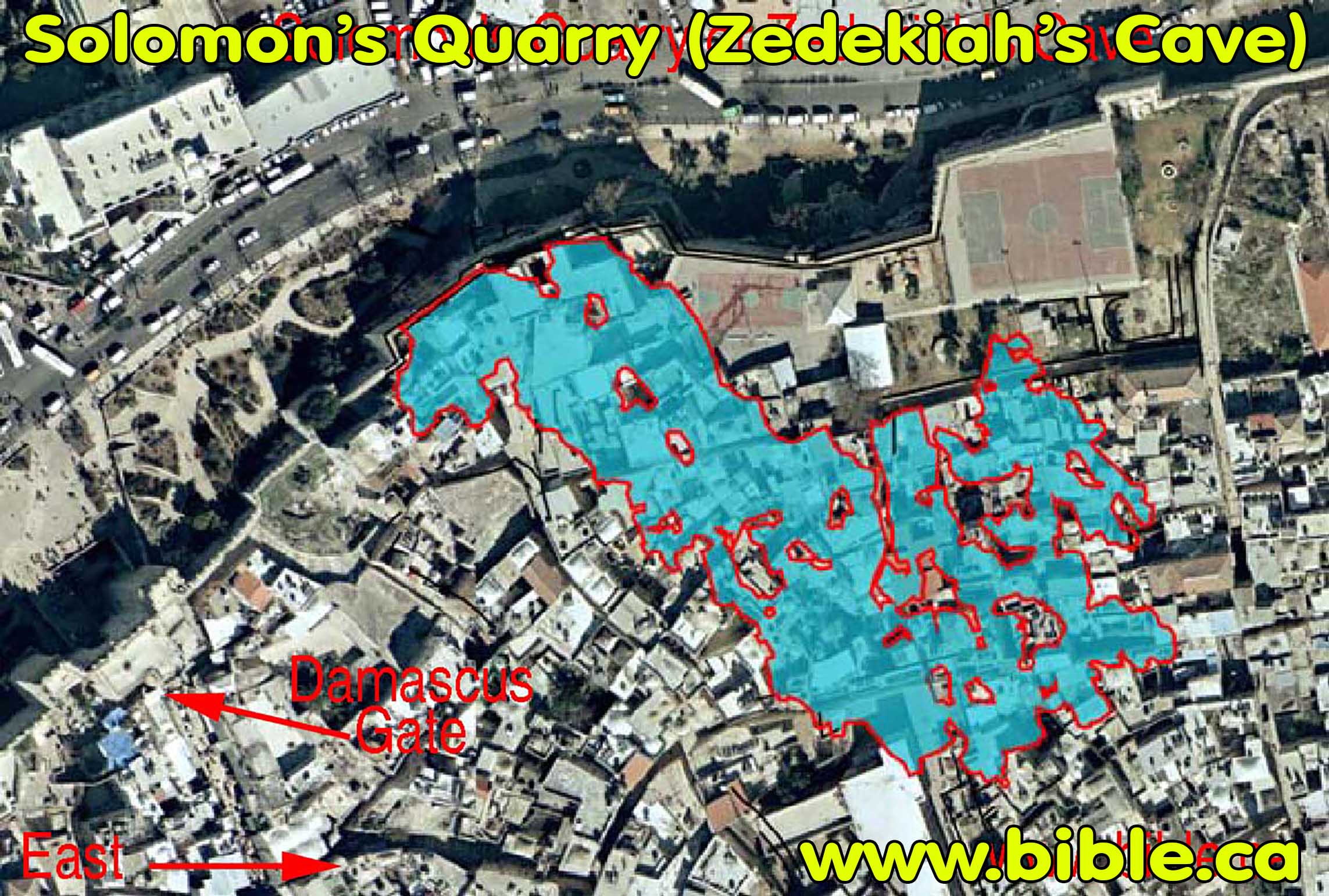
Opening: It is non-descript, in the bedrock foundations just outside Old City walls, between Damascus & Herod's Gates. Until recently, outside construction work had made it inaccessible & nearly invisible.


Size: It is 30,000 sq. ft., as wide as a football field (300'), 4 stories high (45') and 5 city blocks long -- all within the Muslim Quarter. It may be the largest & oldest stone quarry in Israel.
Public use: This discovery made a scientific splash. But the cave was dangerous to traverse & became a hideout for undesirables. Finally, reunified Jerusalem installed paths & steps, then reopened it to the public in 1985.


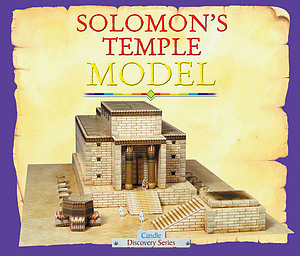
Temple Quarry? In another legend, King Solomon quarried stone here for his 1st Temple. (It was close to the Temple Mt., protected against the weather & provided high-grade limestone.) Herod most likely did use it for his 2nd Temple.
Extensive chisel marks established its use as a quarry. From here, huge blocks of stone were removed. [Photos below are yellow due to flourescent lighting. One shot was enhanced to show its contrast with the more natural color.]


Freemasons: This main chamber (left) was used for Masonic ceremonies, honoring Solomon as their patron & the greatest builder in Biblical times. Many arches helped to avert the collapse of ceilings -- and of the Old City above.


Huge supporting columns were also dug out of the quarried rock.


Zedekiah: The most persistent legend involved Judah's last king, Zedekiah. Before the 586 AD Babylonian destruction, he fled the city by night. But was it thru this cave, then extending to the plains of Jericho? When the Chaldeans overtook him there, they slew all his family before his eyes, then blinded him (Jer. 52:7-11). No such cave extension has been discovered. But today, water dripping thru the ceiling at the south end into a small pool is still called "Zedekiah's Tears."


Deepest extent: This led to the end of the quarry -- no apparent exit point here.


We retraced our steps to the only exit, impressed with what we had found.


Golgatha/Garden Tomb: Directly across Sulieman Street is the busy bus station facing "Skull Hill" (Calvary or Golgatha). Another minaret was also nearby -- reminding us that Jerusalem is at many historical & cultural crossroads.


No comments:
Post a Comment